

Cart
0

L-Tyrosine Versus N-Acetyl-L-Tyrosine: Are the Forms Interchangeable?
N-acetyl-L-tyrosine is sold as the upgraded, more bioavailable form of tyrosine, interchangeable with the plain amino acid but better. The pharmacology says otherwise, and this piece lays out why. Its one real advantage, solubility, is why it was developed for intravenous nutrition, but multiple human studies show the body deacetylates it poorly and excretes a large fraction unchanged in urine, so it raises tyrosine far less effectively than plain L-tyrosine. It also flags the species trap behind the marketing, since rats handle it well and humans do not, and notes that every cognitive study worth citing used the plain form. A clean case of a bioavailability claim the evidence contradicts.

Citicoline, Phospholipids and the Maintenance of Brain-Cell Membranes
Citicoline is usually sold as a choline source for acetylcholine, but its more distinctive role is feeding the pathway that builds and repairs neuronal cell membranes. This piece explains that connection properly: why membranes are the substance of synapses, how the Kennedy pathway makes phosphatidylcholine, and why citicoline is literally the intermediate at the center of it. It covers the membrane breakdown seen in stroke and Alzheimer's, the precursor-combination research, and the human spectroscopy studies that show real effects on brain chemistry. It is candid throughout about the crucial gap between an elegant, well-documented mechanism and a proven benefit for a healthy brain.

Citicoline Versus Alpha-GPC: Similar Goal, Different Molecules
Citicoline and alpha-GPC are the two premium choline nootropics, aimed at the same goal and often treated as interchangeable. They are not. This piece explains how they actually differ as molecules, with citicoline delivering choline plus a nucleoside that feeds membrane synthesis and alpha-GPC delivering a high-choline glycerophosphate, and it lays out their genuinely different evidence bases. Citicoline has the more direct data in healthy adults; alpha-GPC's cognitive evidence sits mainly in dementia. It covers the only head-to-head comparison, the honest dosing ranges, and the observational stroke signal around alpha-GPC that deserves careful, non-alarmist consideration.

Acetylcholine Explained: Its Role in Attention, Learning and Memory
Almost every supplement that promises sharper focus or better memory is aimed, in the end, at a single neurotransmitter: acetylcholine. This piece explains what it actually does, from the basal-forebrain hub that supplies the cortex and hippocampus, to the fast and slow receptor systems, to its distinct roles in flagging what deserves attention and in switching the brain into a learning state. It draws on the scopolamine memory model and the cholinergic hypothesis of Alzheimer's to show why the system matters so much. It also sets up the crucial caveat behind every choline supplement: acetylcholine is produced by a tightly self-regulating system, not a tank you can simply top up.

Why Memory Supplements Are Usually Tested for 8–12 Weeks Rather Than One Day
Take a memory supplement for a few days, feel nothing, conclude it does not work: the reasoning is common and it is a category error. The trials behind Bacopa, Lion's Mane, and citicoline almost never test a single dose; they run for eight, twelve, or sixteen weeks, because the biology they target changes over weeks, not hours. This piece explains why, walking through the slow timescales of synaptic consolidation, the weeks it takes new neurons to mature, the gradual build of trophic support, and the months membranes take to remodel. It closes with the practical upshot: give real memory supplements a fair 8 to 12 week trial, and distrust anything promising overnight results.

Phosphatidylserine and the Brain: Why Neuronal Membranes Matter
Phosphatidylserine is a real building block of brain cell membranes, and it once produced some of the most encouraging memory-trial results in the supplement field. There is a catch that most marketing skips: those early wins used phosphatidylserine derived from cow brain, a source no longer sold, and the soy-derived version people buy today has produced weaker and more mixed results, including a clear null in the best-matched trial. This piece explains what phosphatidylserine does in neurons, why membrane composition matters, and why the source of the supplement changes what the evidence can claim. It ends with the unusually candid verdict from the FDA itself.
Choose your formula
Two formulas. One standard.
Both precisely dosed and fully disclosed, made to the same standard. Start with the one that fits today, or take both.
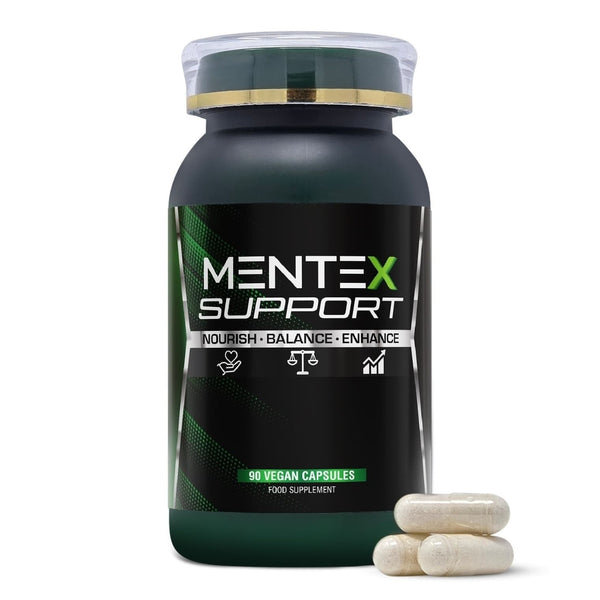
Support
Cognitive performance
11 standardised nootropic actives. Stim-free. Built for focus, recall and mental stamina.
- Focus and clarity, without the jitters
- Memory, recall and faster learning
- Calm, caffeine-free mental energy
£39.99
Explore Support
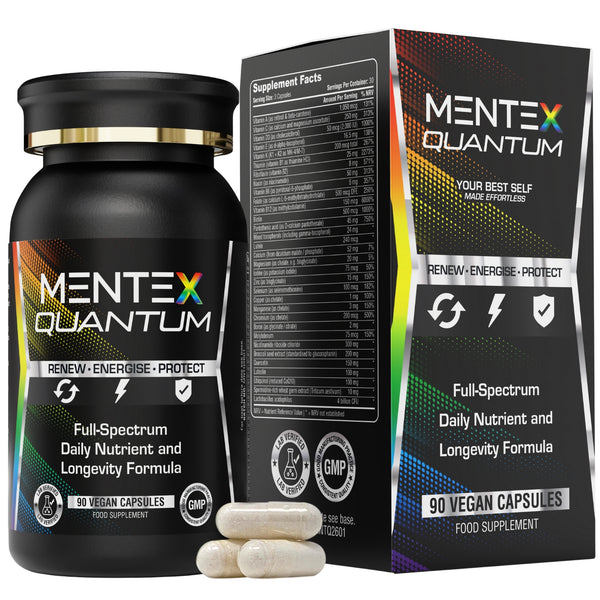
Quantum
Daily nutrition
A comprehensive multivitamin plus specialist compounds. 32 actives for a complete daily foundation.
- Energy and everyday vitality
- Immune and cellular support
- Complete daily nutrition, precisely dosed
£29.99
Explore Quantum