

Cart
0

The Science of Deep Work: How to Build a 90-Minute Focus Session
The ninety-minute focus block is everywhere, usually defended with a story about the body's natural rhythms that the evidence only half supports. This piece rebuilds the deep-work session on firmer ground: the well-documented way attention decays with time on task, the kinds of breaks that actually reset it, and the sleep and timing that make or break the whole thing. It is honest about what the science shows and does not show, including where popular claims outrun the data. The result is a practical, evidence-based blueprint for a focus session that produces real depth rather than just a long stretch of looking busy.

What Does "Better Focus" Actually Mean? Five Different Types of Attention
"Better focus" is one of the vaguest goals in self-improvement, because attention is not one thing. It is a family of separate cognitive functions, each with its own machinery, and they do not rise and fall together. This piece breaks focus into five distinct types, from basic alertness and sustained vigilance to selective filtering, task-switching, and true divided attention, and explains what each is really doing in the brain. The practical payoff is that once you can identify which type is actually failing you, the fix stops being generic and starts being specific. Read it before you spend another dollar chasing a vague promise.

A Mechanism Is Not a Benefit: The Most Common Mistake in Supplement Science
"Increases BDNF." "Crosses the blood-brain barrier." "Reduces oxidative stress." Supplement labels are full of mechanisms, and a mechanism is one of the most persuasive and least reliable things you can be told. This piece explains why a plausible biological pathway is a reason to run a trial, not proof that a product works, using some of medicine's most instructive failures: antioxidants that raised cancer rates, a heart drug that fixed the biomarker and killed more patients, and Ginkgo's collapse in a six-year trial. Read it to learn the single question that cuts through mechanistic marketing every time.

Natural Nootropics Versus Prescription Cognitive Enhancers
Prescription "smart drugs" sound powerful and supplements sound gentle, but the real comparison is more interesting than strength. This piece weighs natural nootropics against prescription cognitive enhancers on three honest axes: how much they actually help a healthy brain, what they cost you in risk, and how tightly each is regulated. Drawing on meta-analyses of Adderall, Ritalin, and modafinil alongside Cochrane reviews of Ginkgo, ginseng, and donepezil, it shows why the measured effects of prescription stimulants are more modest than their reputation, and why the biggest difference between the two camps is the one almost no one reads about: what regulators require before a product reaches you.

Immediate Versus Cumulative Nootropics: Why Some Effects Take Weeks
Why does caffeine work in an hour while Bacopa seems to do nothing for weeks? The answer lies in pharmacology, not quality. This piece explains the real difference between immediate nootropics, which act on receptors and rise and fall with your blood levels, and cumulative ones, which slowly change the makeup of your tissues or nudge processes that need a month to build. Drawing on human trials of caffeine, L-theanine, Bacopa, creatine, omega-3s, and adaptogens, it shows why abandoning a slow-acting supplement early can mean quitting right before it would have worked, and why study duration is one of the most revealing details in any trial.

How to Read a Nootropic Study: Placebos, Sample Sizes and Meaningful Results
A cited study is not the same as a proven benefit, and knowing the difference is the most valuable skill a nootropics buyer can have. This guide breaks down how to read a cognitive-enhancement trial the way a skeptic would: spotting weak placebo controls, underpowered samples, and the wide gap between statistical significance and a benefit you would actually notice. Using real examples from the Ginkgo and Bacopa literature, it shows why big rigorous trials so often overturn small flattering ones, and gives you a short list of questions to ask before you trust any headline result. Read this before you trust the next "clinically proven" claim on a label.
Choose your formula
Two formulas. One standard.
Both precisely dosed and fully disclosed, made to the same standard. Start with the one that fits today, or take both.
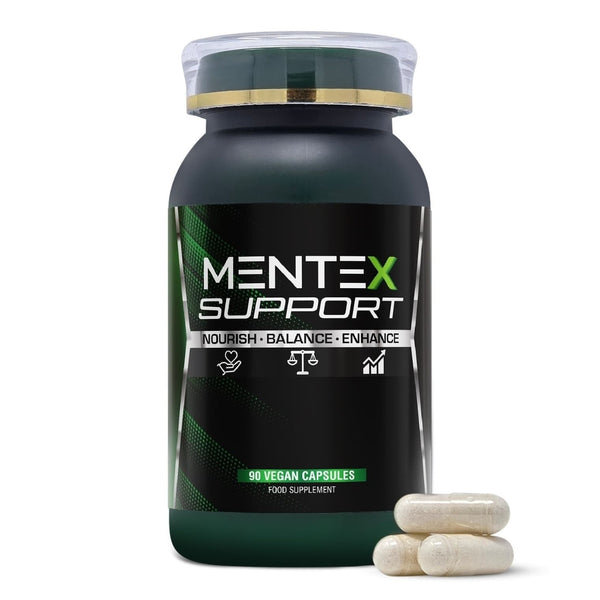
Support
Cognitive performance
11 standardised nootropic actives. Stim-free. Built for focus, recall and mental stamina.
- Focus and clarity, without the jitters
- Memory, recall and faster learning
- Calm, caffeine-free mental energy
£39.99
Explore Support
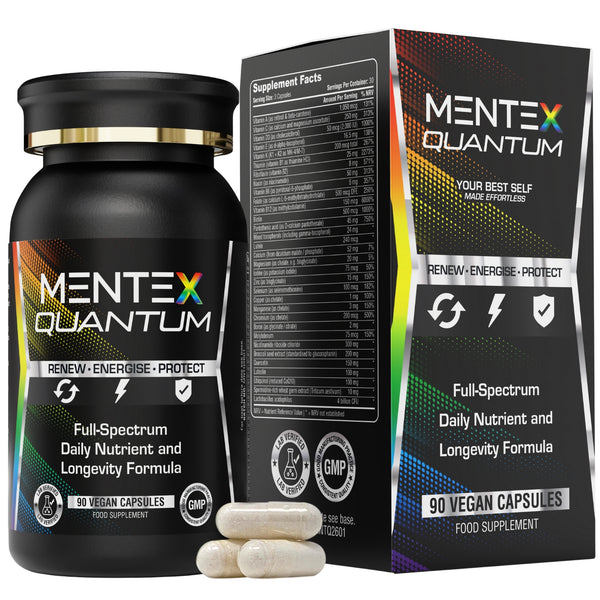
Quantum
Daily nutrition
A comprehensive multivitamin plus specialist compounds. 32 actives for a complete daily foundation.
- Energy and everyday vitality
- Immune and cellular support
- Complete daily nutrition, precisely dosed
£29.99
Explore Quantum