

Cart
0

Bacopa and Memory: What Human Trials Actually Show
Bacopa monnieri is one of the few herbal nootropics with a real base of human trials, which makes an honest reading both possible and worthwhile. This piece works through what those randomized studies actually show: a modest but genuine benefit concentrated in memory acquisition, retention of new information, and processing speed, appearing only after about twelve weeks of daily use. It is candid about the limits too, including small samples, varied extracts, small-to-medium effect sizes, and trials that failed to replicate. If you want to know whether Bacopa is worth taking and what to realistically expect, this is the evidence without the marketing.

A Science-Based Learning System Combining Spaced Repetition, Retrieval and Sleep
Most study habits are comfortable and close to useless, because feeling fluent is not the same as learning. This piece builds a learning system from the three methods with the strongest scientific backing: spacing practice out over time, retrieving information instead of rereading it, and using sleep as an active part of consolidation. It explains why these techniques feel harder yet work far better, why cramming fools you into thinking it succeeded, and how interleaving and dropping low-value habits add extra gains. It closes with a concrete weekly routine that combines all three, so you can turn the same study hours into far more durable knowledge.

Encoding, Consolidation and Recall: The Three Stages of Memory
When people say they have a bad memory, they are describing one feeling that can come from three completely different failures. Memory is not a single faculty but a sequence: information has to be encoded, then consolidated into a durable form, then retrieved when you need it, and each stage runs on different machinery. This piece walks through all three, from depth of processing and the role of attention, to the fast and slow forms of consolidation and the active work sleep does, to why the act of retrieval itself strengthens memory. The payoff is practical: once you know which stage is failing, "I forgot" becomes a solvable problem rather than a life sentence.

How to Measure Your Focus Without Relying on How Focused You Feel
The signal most people trust to judge their concentration, the feeling of being focused, is the least reliable one they have. Sleep studies show people growing badly impaired while their sense of how they were doing barely budged. This piece explains why subjective focus misleads and lays out the objective tools researchers use instead: reaction-time vigilance tasks that catch invisible lapses, error patterns that reveal a drifting mind, response variability, and self-probes that estimate how often you actually wander. It closes with a practical, do-it-yourself focus dashboard so you can measure concentration instead of guessing at it.

Mental Fatigue, Distraction or Low Motivation: How to Tell the Difference
"I can't focus" hides at least three different problems, and they need opposite fixes. Mental fatigue, distraction, and low motivation feel almost identical from the inside, which is why people so often reach for a nap when they needed a deadline, or for willpower when they needed to silence their phone. This piece explains what each state actually is, why the popular "willpower as fuel" model has largely failed to replicate, and how motivation quietly drives much of what we call fatigue. Most useful of all, it gives you behavioral tests to diagnose which one is really stopping you, so you can match the fix to the cause.

Why Task-Switching Feels Productive but Reduces Mental Performance
Toggling between tasks feels like momentum, and momentum feels like productivity. The research says the opposite. This piece lays out the robust cognitive science of switch costs: the measurable slowdown and error spike that follow every shift between tasks, the "attention residue" that keeps part of your mind stuck on the last thing, and the surprisingly steep price of brief interruptions. It also covers why the people who multitask most tend to be the worst at it, and why only about 2.5% of us show no cost at all. Practical, evidence-based fixes close it out.
Choose your formula
Two formulas. One standard.
Both precisely dosed and fully disclosed, made to the same standard. Start with the one that fits today, or take both.
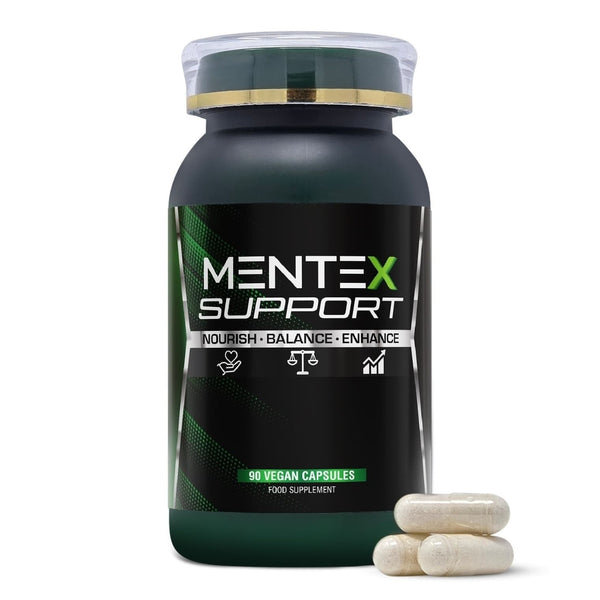
Support
Cognitive performance
11 standardised nootropic actives. Stim-free. Built for focus, recall and mental stamina.
- Focus and clarity, without the jitters
- Memory, recall and faster learning
- Calm, caffeine-free mental energy
£39.99
Explore Support
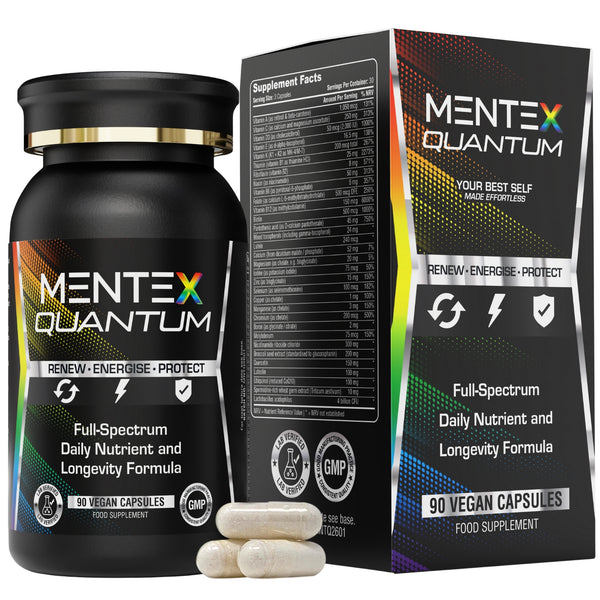
Quantum
Daily nutrition
A comprehensive multivitamin plus specialist compounds. 32 actives for a complete daily foundation.
- Energy and everyday vitality
- Immune and cellular support
- Complete daily nutrition, precisely dosed
£29.99
Explore Quantum