

Cart
0

Caffeine Tolerance: Why the Same Dose Stops Feeling Effective
The cup that once jolted you awake now barely registers, and that fading is not your imagination. It is caffeine tolerance, a specific and well-documented adaptation: faced with chronic blockade of its adenosine receptors, the brain builds more of them, so the familiar dose now fights a stronger opposing signal and delivers less. This piece explains the receptor-upregulation mechanism, the human tolerance and withdrawal evidence, and the uncomfortable possibility that a heavy user's daily coffee is mostly reversing overnight withdrawal rather than lifting them above baseline. It ends with what actually works: not bigger doses, but keeping intake low and resetting sensitivity with a break.

Caffeine Versus Stimulant-Free Nootropics: What Each Approach Can and Cannot Do
The caffeine debate usually collapses into miracle versus crutch, and both caricatures miss the point. Caffeine and stimulant-free nootropics are not competitors; they are different tools for different problems. This piece maps what each can genuinely do and what it cannot: caffeine's fast, reliable lift in alertness against its tolerance, sleep cost, and inability to build anything lasting, set against the slower, gentler, sometimes cumulative support of theanine, Bacopa, citicoline, and tyrosine that will not rescue a tired afternoon on demand. It closes with how to choose between them, and how the caffeine and L-theanine pairing shows the two approaches can complement rather than compete.
Choose your formula
Two formulas. One standard.
Both precisely dosed and fully disclosed, made to the same standard. Start with the one that fits today, or take both.
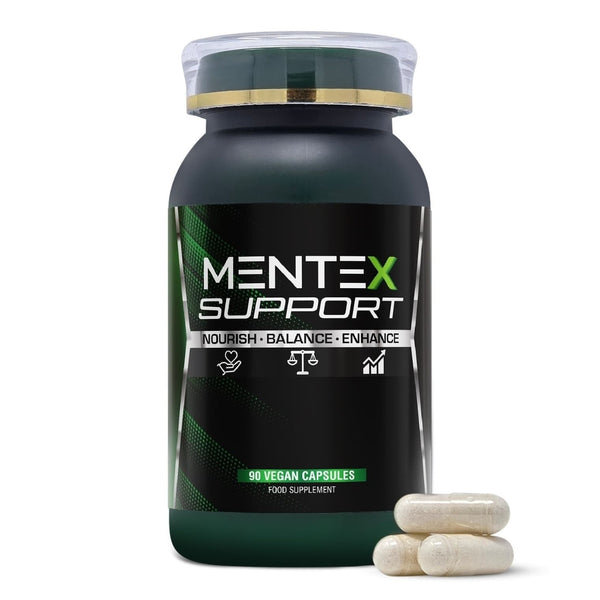
Support
Cognitive performance
11 standardised nootropic actives. Stim-free. Built for focus, recall and mental stamina.
- Focus and clarity, without the jitters
- Memory, recall and faster learning
- Calm, caffeine-free mental energy
£39.99
Explore Support
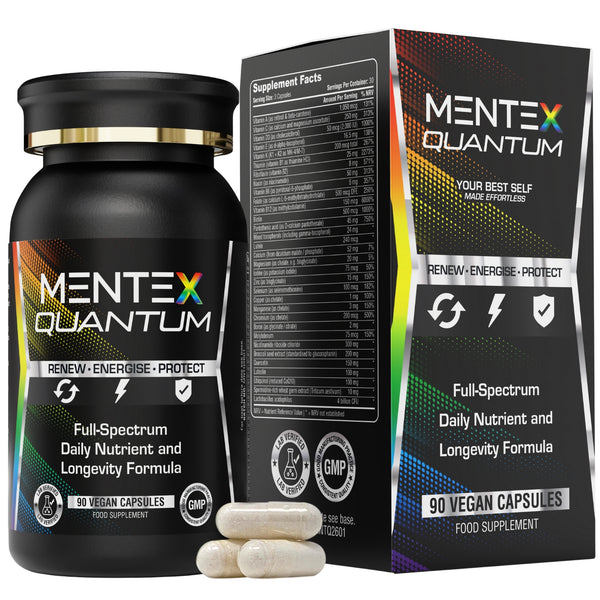
Quantum
Daily nutrition
A comprehensive multivitamin plus specialist compounds. 32 actives for a complete daily foundation.
- Energy and everyday vitality
- Immune and cellular support
- Complete daily nutrition, precisely dosed
£34.99
Explore Quantum