

Cart
0

Caffeine Tolerance: Why the Same Dose Stops Feeling Effective
The cup that once jolted you awake now barely registers, and that fading is not your imagination. It is caffeine tolerance, a specific and well-documented adaptation: faced with chronic blockade of its adenosine receptors, the brain builds more of them, so the familiar dose now fights a stronger opposing signal and delivers less. This piece explains the receptor-upregulation mechanism, the human tolerance and withdrawal evidence, and the uncomfortable possibility that a heavy user's daily coffee is mostly reversing overnight withdrawal rather than lifting them above baseline. It ends with what actually works: not bigger doses, but keeping intake low and resetting sensitivity with a break.

How Late Is Too Late for Caffeine? Half-Life and Sleep Explained
"No caffeine after 2pm" sounds like settled advice, but the honest answer to how late is too late depends on three things that vary hugely between people: how long caffeine lingers, how fast you clear it, and how sensitive your sleep is. This piece makes the vague rule precise. It explains caffeine's roughly five-hour half-life and why an afternoon coffee is still with you at bedtime, why residual caffeine attacks deep sleep, and what the timing experiments show, including that dose matters far more than most people realize. It ends with a practical way to reason to your own cutoff instead of borrowing someone else's.
Choose your formula
Two formulas. One standard.
Both precisely dosed and fully disclosed, made to the same standard. Start with the one that fits today, or take both.
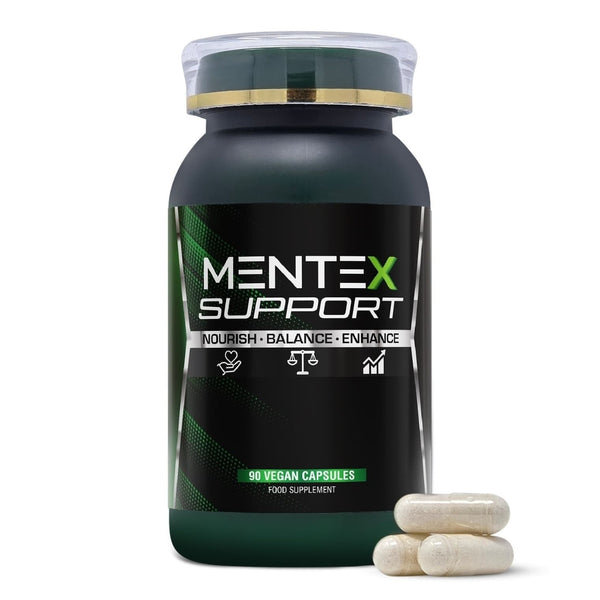
Support
Cognitive performance
11 standardised nootropic actives. Stim-free. Built for focus, recall and mental stamina.
- Focus and clarity, without the jitters
- Memory, recall and faster learning
- Calm, caffeine-free mental energy
£39.99
Explore Support
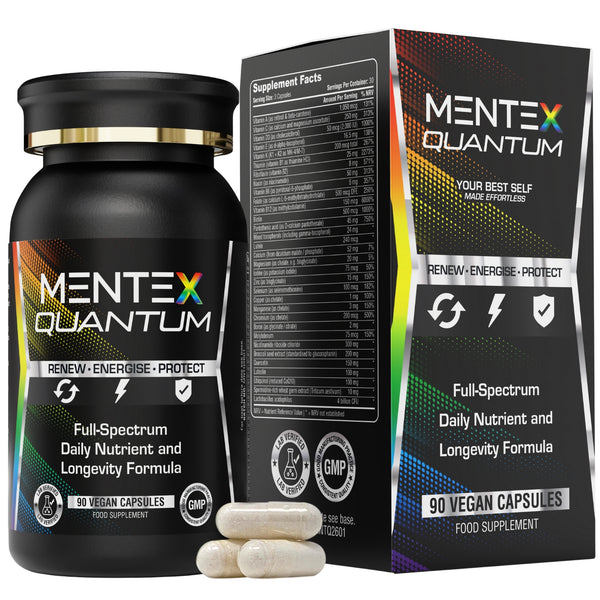
Quantum
Daily nutrition
A comprehensive multivitamin plus specialist compounds. 32 actives for a complete daily foundation.
- Energy and everyday vitality
- Immune and cellular support
- Complete daily nutrition, precisely dosed
£34.99
Explore Quantum